12.7 C
Islamabad
Home Blog

Fauji Cement sold 5.4 million tons of cement this year, which is a record achievement.Brig (R) Salahuddin Ayubi

0

ISLAMABAD :The Annual Sales Dealers Event of Fauji Cement Company was held on 2 December 2025 at the Montage Marquee Complex, Gulberg Greens, Islamabad. The event was attended by dealers, project partners, exporters, transporters, and business professionals associated with the cement industry from across the country.
Addressing the participants, Director Marketing & Sales Brigadier (R) Salahuddin Ayubi said that dealers and business partners play a vital role in strengthening the national economy and promoting the industrial sector. He stated that the company has achieved new milestones this year, in which the hard work and professional commitment of the dealers have been fundamental.
He shared that Fauji Cement sold 5.4 million tons of cement this year, which is a record achievement. The Director Marketing & Sales highlighted the importance of the company’s role in preventing the wastage of natural resources, including responsible use of groundwater, mountain preservation, tree plantation, adoption of alternative fuels, and consistent implementation of high academic standards and new research.
Brigadier (R) Salahuddin Ayubi emphasized that the national business environment is improving, and such events not only build confidence but also play an important role in further promoting business activities. He added that the company aims to work with its partners on initiatives that benefit both the organization and the national economy.

The guest of honour, Managing Director / Chief Executive of Fauji Cement, Qamar Haris Manzoor, said in his address that despite current economic challenges, the company’s performance is commendable, and there are clear prospects for further growth in the near future. He urged the dealers to continue enhancing their professional capabilities and maintain the same dedication in the coming year.

At the conclusion of the ceremony, the guest of honour paid tribute to the high-performing dealers, stating that their contribution is the backbone of the organization’s success.
Special awards and shields were presented to the dealers who demonstrated outstanding performance during the 2024–25 period. Participants were also briefed on the company’s strategy for the coming year, including new targets and innovative business plans.
Senior management of Fauji Cement, including Brigadier Kashif Naveed, Brigadier Khurram Mirza, Umar Ashraf, Syed Kamran, Qaiser Mehmood Sheikh, and Irfan Naseem Sheikh, attended the event.

The ceremony was moderated and supervised by Muhammad Ashraf Malik, Manager Marketing/Sales.
Pakistan’s renowned singer Shan Khan captivated the audience with his performances in Urdu and Pashto.
A special luncheon was arranged for the participants at the end of the ceremony.

IRS Holds Seminar on Interfaith Dialogue; Highlights Outcomes of the 8th Congress of World and Traditional Religious Leaders

0

ISLAMABAD : — The Institute of Regional Studies (IRS), in collaboration with the Embassy of Kazakhstan in Pakistan and the International Islamic University Islamabad (IIUI), organised a seminar titled “Interfaith Dialogue: Outcomes of the 8th Congress of Leaders of World and Traditional Religions.” The event convened leading religious scholars, government representatives, diplomats, and academics to deliberate on global initiatives promoting peace, religious tolerance, and mutual understanding.

Distinguished speakers at the seminar—including Federal Minister for Religious Affairs and Interfaith Harmony Mr. Muhammad Sardar Yousaf, State Minister for Religious Affairs and Interfaith Harmony Kesoo Mal Kheal Das, Provincial Minister for Minorities, Mr. Ramesh Singh Arora, Kazakh officials, representatives of the Church of Jesus Christ (U.S.) including Mr. Kelly Johnson, and Prof. Dr. Muhammad Zia-ul-Haq, Director General of the Islamic Research Institute (IRI)—delivered messages advocating interfaith harmony and cooperation. They collectively emphasised that collaboration among diverse faiths and cultures is indispensable to promoting peaceful coexistence.

In his welcome remarks, Ambassador Jauhar Saleem, President of the Institute of Regional Studies, underscored the growing need for sustained interfaith dialogue in a world increasingly shaped by polarisation and conflict. He reaffirmed Pakistan’s commitment to advancing religious harmony and applauded Kazakhstan’s leadership in establishing impactful platforms such as the Congress of Leaders of World and Traditional Religions.

Ambassador Saleem stressed that open and meaningful engagement among faith communities is vital to building trust, dispelling misconceptions, and fostering peaceful coexistence.
Delivering his welcome address, H.E. Mr. Yerzhan Kistafin, Ambassador of the Republic of Kazakhstan to Pakistan, reiterated Kazakhstan’s longstanding dedication to global peace and interreligious cooperation. He noted that the 8th Congress, held in Astana, reflects Kazakhstan’s belief that dialogue is the only sustainable path to a peaceful and stable world order.

Ambassador Kistafin highlighted the deep historical, cultural, and spiritual ties between Kazakhstan and Pakistan, describing collaboration on interfaith initiatives as both natural and mutually enriching. He emphasised that the “Spirit of Astana” continues to inspire nations to uphold values of tolerance, mutual respect, and peaceful coexistence.

The seminar reviewed the key outcomes of the 8th Congress of Leaders of World and Traditional Religions, held in Astana on 17–18 September 2025. Attended by eminent spiritual leaders and experts from over 100 countries, the Congress centred on the theme of peace as humanity’s most essential value and called for enhanced dialogue amid escalating global tensions.
The seminar attracted a diverse audience, including diplomats, researchers, journalists, and students from prominent academic institutions.

US Views Pakistan as a Stabilizing Actor in the Region”, US-based Pakistani Expert

0

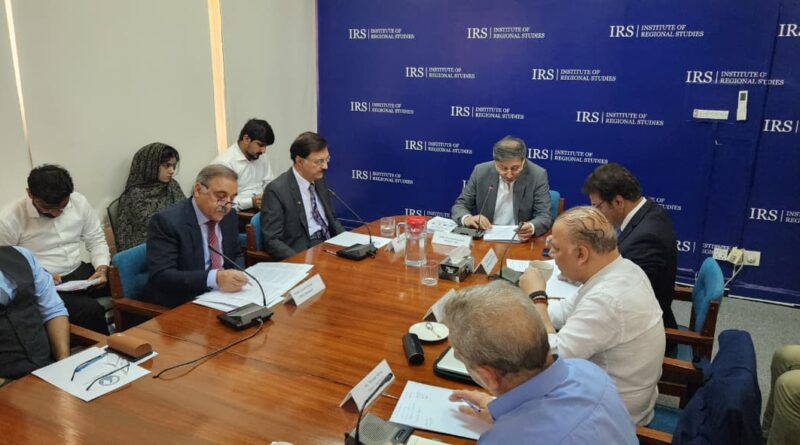
ISLAMABAD: For the US, Pakistan is a security guarantor and a stabilizing force in the region”, says Mr Naad e Ali, a Middle Eastern expert based in Washington D.C. He was speaking at a roundtable discussion hosted by Institute of Regional Studies, Islamabad. Mr Ali discussed how Pakistan gained strategic relevance in the eyes of President Trump. “President Trump praises the countries having strategic clarity”, he mentioned. Mr Ali argued that after the 12-day Iran-Israel war, the regime change objective of the US was transformed into containing Iran’s ideological reach and change regime’s behaviour. He further elaborated that any instability inside Iran would have a rippling effect on Pakistani side of Balochistan where the US was keen to explore rare earth minerals. Predicting the future US-Iran talks, Mr Ali argued that Pakistan could assume the role of a bridge builder in bringing Iran to the negotiating table.
Maj. Gen. (Retd.) Dr Samrez Salik highlighted Pakistan’s soft power engagement with Iran and its consistent role in de-escalating regional conflicts. He emphasized the importance of maintaining cordial ties with Iran suggested that Pakistan’s long-term strategic interests lie in regional stability. Maj. Gen (R) Samrez highlighted that Iran’s defiance of the US was the longest standoff by a regional actor against the superpower in modern history. Furthermore, drawing lessons from the past, he argued that Pakistan had a long-history of mediating between the rival and over the years its role had matured. He also suggested that Iran had to rethink about its regional policy vis-à-vis India due to latter’s close association with Israel.
Earlier, in his remarks, Ambassador Jauhar Saleem, President IRS, mentioned Iran’s nuclear capability was declared for peaceful purposes. “It is Pakistan’s long-standing and principled stance of supporting Iran’s right to peaceful nuclear technology”, Amb Jauhar stressed. He also emphasized that the revival of the Joint Comprehensive Plan of Action (JCPOA) was essential. Amb Jauhar praised Pakistan’s role of responsible diplomacy, adding that Islamabad once again acted as a stabilizing and mediating force in the regional crisis.

Ambassador of Ethiopia Calls on Governor KPK to Discuss Bilateral Cooperation

0

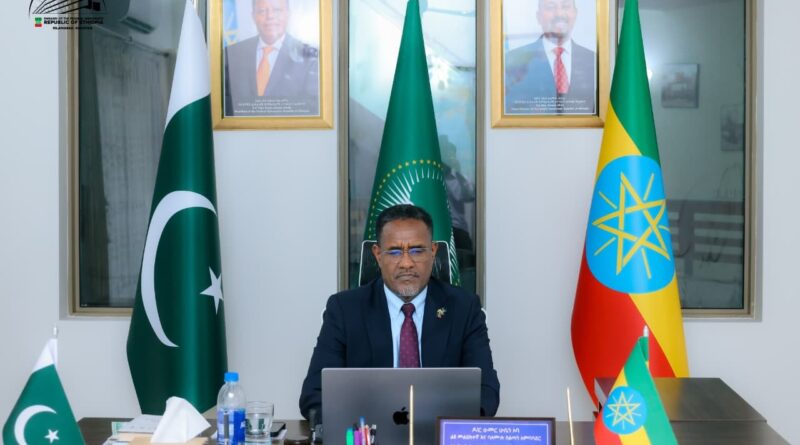
Islamabad:H.E. Dr. Jemal Beker Abdula, Special Envoy and Ambassador Extraordinary of the Federal Democratic Republic of Ethiopia, was called on H.E. Faisal Karim Kundi, the Honorable Governor of Khyber Pakhtunkhwa (KPK), at the Governor’s House in Islamabad to discuss bilateral cooperation across key sectors including trade, tourism, culture, and climate change.

​Both officials underscored the importance of fostering strong people-to-people relations through exchange of delegations in vital areas such as trade, investment, health, education, and forestry.
​Ambassador Dr. Jemal extended heartfelt condolences for the lives lost in Pakistan due to recent floods, emphasizing Ethiopia’s solidarity with Pakistan, a nation he noted is among the least contributors to climate change.
He also briefed the Honorable Governor on the Ethiopian Embassy Islamabad’s initiatives to raise awareness about environmental conservation and protection.
​The Ambassador highlighted the Government of Pakistan’s decision to twin its Green Pakistan Initiative with the Green Legacy Initiative of Ethiopia which is a brainchild of Ethiopian Prime Minister H.E. Dr. Abiy Ahmed.
He further elaborated on the expanding cooperation between the two countries, particularly in trade, investment, aviation, health, science and technology, and education.
​The Ambassador urged the Honorable Governor to mobilize the business community from Khyber Pakhtunkhwa for the 5th Pakistan-Africa Trade Development Conference & Single Country Exhibition (PATDC & SCE), for East African countries, scheduled for October 2025 in Addis Ababa, Ethiopia.
The Governor assured the Ambassador of his full support in mobilizing the business community for the exhibition. He also pledged to launch the Green Legacy Initiative in Khyber Pakhtunkhwa to raise awareness about climate change. The Governor highlighted Khyber Pakhtunkhwa’s strategic position as the “Gateway to Asia” and its immense potential for religious tourism, particularly its internationally significant Gandhara civilization.

Ethiopia, Pakistan Agree on Strengthening Parliamentary Cooperation

0

The Federal Democratic Republic of Ethiopia and the Islamic Republic of Pakistan on Friday agreed on the Parliamentary exchanges for further enhancing bilateral cooperation in diverse areas such as trade, investment, aviation, science and technology and climate change.
The crucial discussion to this end, held during a meeting between H.E. Dr. Jemal Beker Abdula, Special Envoy and Ambassador Extraordinary of Ethiopia to Pakistan and the Honorable Chairman Senate, H.E. Syed Yousuf Raza Gilani.
The two sides had an elaborate discussion on growing bilateral relations in various areas, and multilateral cooperation between the two countries for international peace and security.
H.E. Ambassador Dr. Jemal lauded the role being played by Islamabad for international peace and security.
He said Ethiopia looks forward to establish strategic partnership with Pakistan, highlighting the growing environmental cooperation of Ethiopia and Pakistan under the Green Legacy and Green Pakistan initiatives.
The Ambassador briefed the Honorable Chairman about the efforts made by the Ethiopian Embassy Islamabad and the Ministry of National Food Security and Research to twin the two landmark initiatives of the two nations including a Joint Green Legacy Forum that held at the National Agriculture Research Center, Islamabad recently.
The Ambassador highlighted the critical role of the Green Legacy Initiative of Prime Minister H.E. Dr. Abiy Ahmed in enhancing the green cover in Ethiopia to 23.6 per cent with plantation of over 40.5 billion seedlings in the last six years.
The Ambassador briefed the Honorable Chairman about the fresh impetus received by the bilateral relations with the opening of Ethiopian Embassy in Islamabad, commencement of Ethiopian Airlines operations in Karachi and delegations exchange between the two countries in diverse areas including trade, investment, health, education, tourism and culture.
Chairman Senate appreciated the efforts led by the Ambassador to foster bilateral cooperation in various areas especially environmental collaborations with various segments of society of Pakistan.
He acknowledged the outcomes of the Green Legacy Initiative in green economic development of Ethiopia.
Chairman Senate welcomed the launch of direct flights between Karachi and Addis Ababa, noting the significant potential for further collaboration in the aviation sector between Pakistan and Ethiopia.
Syed Yousuf Raza Gilani emphasized that Pakistan places great value on its relations with Ethiopia and remains committed to strengthening economic ties.
Chairman Senate invited his counterpart from Ethiopia to participate in an Inter-Parliamentary Speakers’ Conference, scheduled to be held in Pakistan this November.

From 1931 to Today: Kashmir’s Century old Fight for Freedom, Lives

0
file photo institute of regional study

Islamabad– A powerful seminar commemorating Kashmir Martyrs’ Day held at Institute of Regional Studies, in collaboration with Youth Forum for Kashmir, echoed Kashmir’s unbroken resolve. The panelists honored the sacrifice of 22 innocent Kashmiris killed by Dogra forces on July 13, 1931—an event that ignited a century-long struggle for self-determination.
Ambassador Jauhar Saleem, President IRS highlighted that this solemn day is not merely a historical footnote but a living testament to the unwavering spirit of Kashmiris. From the brutality of the Dogra Raj to the militarization and recent demographic engineering under Modi’s regime, the Kashmiri people have never bowed before oppression.
Notable figures such as Ms. Mushaal Hussein Malik, Ms. Naseem Zehra, Dr. Qamar Cheema, Mr. Zaman Bajwa and Umair Khan emphasized that the struggle has endured through generations—from the Pathar Masjid uprising to the revocation of Articles 370 and 35A. Each phase of resistance faced India’s state terrorism, yet has only intensified the Kashmiri resolve.
“The recent four-day war victory of Pakistan over India has reignited hope among Kashmiris,” said Ms. Mushaal Malik, urging Pakistan to seize the moment and amplify Kashmiri voices on international platforms. She warned against India’s false-flag operations and ecological destruction in the name of development, calling the Vande Bharat initiative a “colonial strategy.”
Ms. Naseem Zehra highlighted India’s growing isolation due to its aggressive policies in the neighborhood. Conversely, China, Turkey, and Bangladesh support Pakistan. “The time for soft diplomacy is over,” she asserted. “Pakistan must recalibrate its strategy and project its stance globally.” The seminar called for the international community, especially the United Nations and the U.S., to take decisive action. “Kashmir is not just a regional issue; it’s a global flashpoint between two nuclear powers,” warned analyst Dr. Qamar Cheema.
The event concluded with a unified call for Kashmiris—whether in AJK or the diaspora—to raise for Kashmiris in IIOJK. “Kashmir’s story must be told by Kashmiris themselves,” urged Umair Khan, while advocating for global media engagement. Kashmir Martyrs’ Day is not just a remembrance—it is a declaration of Pakistan’s dedication for the right of self-determination of Kashmiris.

Governor KPK Met with Malaysian Deputy Head of Mission

0
Governor kpk Met with H.E Syafik Firdoos

ISLAMABAD: Governor Khyber Pakhtunkhwa Faisal Karim Kundi met with Malaysian Deputy Head of Mission H.E Muhammad Syafik Firdous at Governor House Peshawar. They’ve discussed enhancing bilateral cooperation in the fields of tourism, trade and investment. The Governor highlighted the natural beauty and resources of Khyber Pakhtunkhwa and invited Malaysian companies to invest. He appreciated Malaysia’s love for Pakistan and positive sentiments for Khyber Pakhtunkhwa.

We are prioritizing contacts in the field of regional security and the fight against international terrorism.Ambassador P- Khorev’s

0

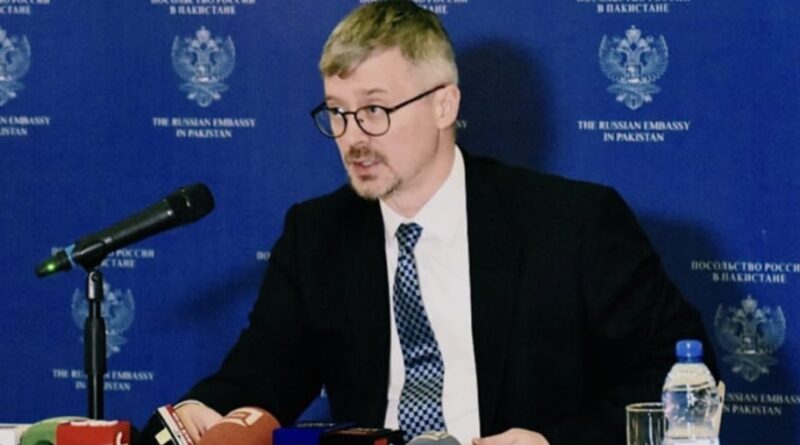
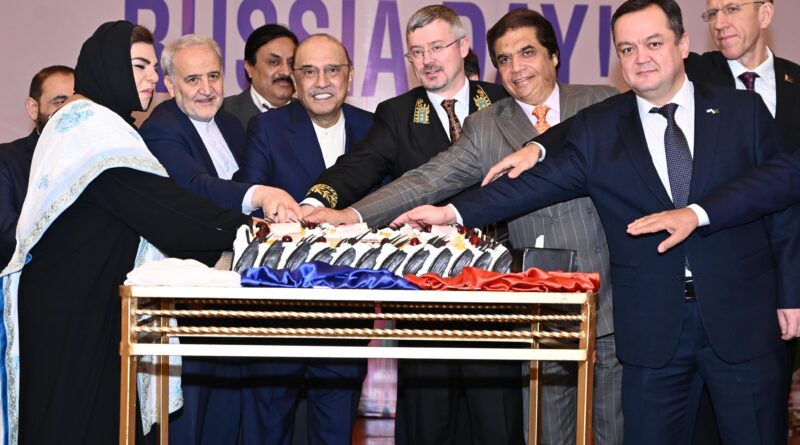
Islamabad: (TNM) Russian Ambassador to Pakistan H.E Albert P-Khorev during in an interview said currently, we are prioritizing contacts in the field of regional security and the fight against international terrorism. We are also coordinating efforts in multilateral forums, primarily the UN and the SCO. Cooperation between the cities and regions of our respective countries also shows promise. Moscow, the Republic of Tatarstan, and Primorsky Krai in Russia, as well as the provinces of Punjab and Sindh in Pakistan, have already expressed interest in this regard.

Education #Science #Culture

We are paying special attention to strengthening ties in education, science, and culture. We are actively working to promote the Russian language in Pakistan, including through the federal project “Russian Teachers Abroad.” We also facilitate the organization of joint scientific conferences and cultural and sporting events.

PakistanSteellMills #Insulin

In the coming years, it is crucial to promote mutual trade, develop reliable alternative payment mechanisms, and implement large-scale joint projects. These projects include the revival of the Pakistan Steel Mills, establishing rail connections between Russia and Pakistan, collaborating on hydropower, and creating joint ventures to produce medicines, including insulin.

Oil

Pakistan is interested in cooperating with our country in oil exploration and production. Russia is ready to help Pakistan strengthen its energy sovereignty. We already have positive experience in this area. It was the USSR that helped Pakistan establish the state-owned oil and gas company, the Oil and Gas Development Company Limited, in the 1960s, and it assisted in discovering a number of oil and gas fields in Pakistan.

SCO

We acknowledge the constructive collaboration with our Pakistani partners within the SCO. Ensuring regional security and combating terrorism and organized transnational crime are our priorities.

BRICS #NewDevelopmentBank

Russia welcomes Pakistan’s interest in joining BRICS. One practical step toward integrating Pakistan into BRICS could be Islamabad’s accession to the New Development Bank, which finances infrastructure projects in developing countries.

DiplomatsDay

On February 10, the Russian Foreign Service celebrates Diplomats’ Day. On this festive occasion, I would like to wish my colleagues in Moscow and at foreign missions happiness, good health, endless inspiration, and success in promoting Russia’s position on the world stage.

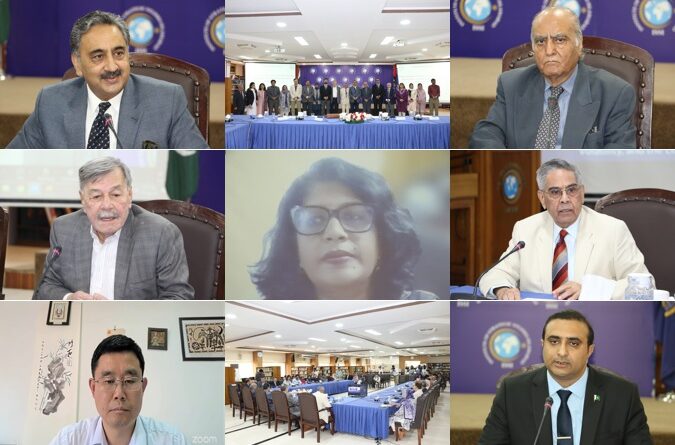
IRS Hosts Expert Webinar on Israel–Gaza Conflict and Regional Peace Prospects

0

Islamabad: (TNM) The Institute of Regional Studies (IRS) convened an expert webinar titled “Israel’s War on Gaza and Imperatives for Regional Peace”, to examine the evolving dynamics of the Gaza conflict, the 20-point US peace framework, and the diplomatic challenges confronting regional and international stakeholders.

Dr. Mahjoob Zweiri, Visiting Professor in the Politics and International Relations Program at the Doha Institute for Graduate Studies, delivered the keynote address.

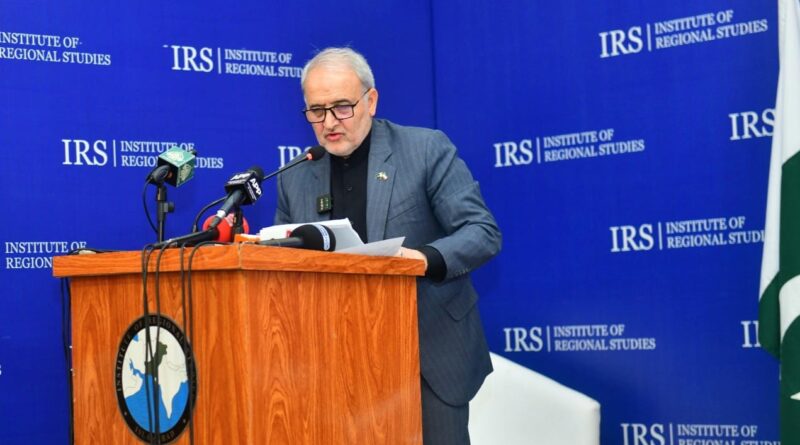
Opening the discussion, Ambassador Jauhar Saleem, President of IRS, described the 20-point UN-mandated peace framework as a potential pathway forward amid limited alternatives. He noted that while the current ceasefire has yielded partial stabilization, the transition to its second phase is expected to face significant political and security obstacles. Ambassador Saleem highlighted the absence of an explicit and credible roadmap toward Palestinian statehood within the framework, despite sustained diplomatic engagement by the United States and its partners.

In his remarks, Dr. Zweiri underscored the difficulty of assessing prospects for durable peace in Gaza in the context of ongoing ceasefire violations. He identified a range of structural and political constraints affecting post-ceasefire recovery, including restrictions on the operations of international and local humanitarian organizations and delays in implementing agreed provisions of the peace framework. According to Dr. Zweiri, these delays have complicated the transition from the first phase of the plan—focused primarily on hostage releases—to the second phase, which is intended to address longer-term stabilization and governance arrangements.

The discussion also examined the role of regional actors in shaping diplomatic outcomes. Dr. Zweiri noted that engagement by countries such as Türkiye and Pakistan could contribute to broader international participation in discussions on Gaza’s future, particularly in relation to reconstruction and post-conflict governance. He observed that expanding the range of diplomatic stakeholders may help mitigate perceptions of concentrated influence in decision-making processes concerning the Strip.

Addressing humanitarian conditions, Dr. Zweiri emphasized the importance of sustained aid flows as an integral component of security and stability. He referenced reports indicating that humanitarian access to Gaza has remained below agreed levels under the ceasefire arrangement confirmed in October 2025. Participants noted that improving humanitarian delivery mechanisms will be central to maintaining the ceasefire and supporting conditions for longer-term peace.

The webinar concluded with a discussion on the implications of the second phase of the ceasefire for regional stability and the role of multilateral diplomacy in supporting a durable political settlement.

Ambassadors of Türkiye and Azerbaijan Call for Deepening of Cooperation with Pakistan

0

Islamabad:(TNM) The ambassadors of Türkiye and Azerbaijan underscored the importance of deepening cooperation with Pakistan in various sectors. They were speaking at the inaugural seminar of the Institute of Regional Studies’ (IRS) Türkiye-Azerbaijan Program titled “Shared Perspectives and Stability: Türkiye, Azerbaijan, and Pakistan.”

Speaking on the occasion, President of IRS Ambassador Jauhar Saleem highlighted the deep-rooted historical, cultural, and civilizational ties among the three brotherly countries. He emphasized that all three nations had faced similar regional security challenges. Ambassador Jauhar Saleem was of the view that shared experiences had strengthened mutual understanding and reinforced cooperation in addressing traditional and non-traditional security challenges among the three brotherly countries.

H.E. Mr. Irfan Neziroglu, the Ambassador of Türkiye, emphasised on the role of geostrategic and geopolitical cooperation, particularly in enhancing trade, economic connectivity, and sustainable development. He added that Türkiye, Azerbaijan, and Pakistan were three states but on nation. In this context, he referred to the trilateral summits in Astana in 2024 and the Lachin in November 2025 as significant milestones for advancing structured cooperation among Türkiye, Azerbaijan, and Pakistan.
H.E. Mr. Khazar Farhadov, Ambassador of Azerbaijan, mentioned that trilateral cooperation among the three countries dated back to 2017, though not officially recognized. He emphasized the importance of taking practical steps for bringing concrete results and consolidating cooperation and engagement among the three states.

The participants of the event highlighted the importance of regionalism and regional platforms as mechanisms for advancing shared interests, trust, and solidarity. Participants also stressed that stronger institutional collaboration could pave the way for long-term regional resilience. The importance of people-to-people contacts, academic exchange, and policy dialogue was also highlighted during the event. The discussion underscored the collective commitment of the three countries to regional stability, peace, and security, particularly in an era marked by global uncertainty and rising geopolitical rivalry.

IRS was acknowledged as a respected research institution, providing meaningful policy input and intellectual platforms for dialogue, during the event. It was mentioned that the newly inaugurated program of IRS aimed to enhance intellectual cooperation, identify new areas of collaboration, and support future policymakers and researchers through informed analysis and shared learning.

Collaboration Launched to Promote Cybersecurity Research and Capacity Building

0

Islamabad:(TNM) The Institute of Regional Studies (IRS) and the Pakistan National Cyber Emergency Response Team (PKCERT) signed a Memorandum of Understanding (MoU) today to formalize institutional collaboration in the field of cybersecurity. The MoU signing ceremony was attended by senior officials from both organizations, including Director General PKCERT, Mr. Haider Abbas.
Speaking at the ceremony, Ambassador Jauhar Saleem, President of the Institute of Regional Studies, underscored that cybersecurity has emerged as a critical pillar of national security, affecting not only state institutions but also economic stability, governance, and societal resilience. He noted that the partnership reflects a shared understanding of the need for closer cooperation between policy-oriented research institutions and technical organizations to effectively respond to evolving cyber threats. Ambassador Saleem highlighted IRS’s commitment to advancing research, dialogue, and institutional partnerships to address emerging security challenges in cyberspace.

In his remarks, Mr. Haider Abbas, Director General PKCERT, stressed that there can be no national security without cybersecurity, noting that modern intelligence and threat landscapes have become increasingly sophisticated. He highlighted emerging cyber threats, including cryptojacking, explaining that such attacks can operate even when devices appear inactive, silently exploiting system resources. He noted that PKCERT is actively responding to a wide range of evolving cyber threats through technical coordination and national-level incident response. Mr. Abbas emphasized that the MoU represents a genuine and practical collaboration, stating that the partnership will focus on meaningful research initiatives while creating opportunities for university students to gain exposure to real-world cyber challenges and contribute to strengthening Pakistan’s cyber ecosystem.

Under the MoU, both institutions will cooperate in areas including joint research, expert exchanges, training and capacity-building initiatives, internships, and cybersecurity awareness programs. The partnership aims to bridge the gap between policy formulation and technical implementation, contributing to Pakistan’s long-term cyber resilience and secure digital future.
Both institutions reaffirmed commitment to ensure that the partnership remains productive and impactful. The collaboration would generate actionable research, strengthen institutional capacity, and contribute meaningfully to Pakistan’s long-term cyber resilience and secure digital future.

IRS unveils Action Plan for ‘Pakistan-Kazakhstan Cooperation’ Ahead of President Tokayev’s Visit

0

Islamabad: (TNM) The Institute of Regional Studies (IRS), Islamabad, through its Central Asia Program for Regional Cooperation and Connectivity, hosted a curtain-raiser high-level event titled “Understanding the Action Plan of Cooperation Between Astana and Islamabad,” ahead of the first official visit of the President of Kazakhstan, H.E. Kassym-Jomart Tokayev, to Pakistan in February 2026. The event brought together diplomats, scholars, and policy experts to reflect on the bilateral Action Plan of Cooperation and discuss avenues for further strengthening Pakistan–Kazakhstan relations.

In his opening remarks, Ambassador Jauhar Saleem, President of the Institute of Regional Studies, welcomed H.E. Yerzhan Kistafin, Ambassador of Kazakhstan to Pakistan, and highlighted the significance of President Tokayev’s forthcoming visit. He emphasized the strong political ties and shared cultural heritage between Pakistan and Kazakhstan, stressing the need to translate these historic bonds into tangible and result-oriented cooperation. He noted that the upcoming visit would serve as a cornerstone for advancing bilateral understandings, strengthening operational linkages, and deepening regional and diplomatic engagement.

Delivering the eminent lecture, Ambassador Yerzhan Kistafin highlighted the long-standing friendship between the two countries and recalled that Pakistan was among the first states to recognize Kazakhstan following its independence in 1991. He referenced early high-level exchanges that laid the foundation for decades of robust diplomatic relations. The Ambassador outlined Kazakhstan’s strategic focus on regional connectivity and economic cooperation, underscoring initiatives aimed at enhancing business-to-business collaboration, infrastructure development, and trade facilitation. He highlighted Kazakhstan’s ambition to transition from a landlocked to a land-linked country through regional infrastructure connecting Central Asia with the Middle East, Europe, and China, and underscored the importance of the Karakoram Highway and potential railway linkages in strengthening Pakistan–Kazakhstan connectivity.

Ambassador Kistafin also identified promising avenues for cooperation in sectors such as textiles, pharmaceuticals, finance including Islamic banking, education, tourism, sports, and culture to strengthen people-to-people ties. He stressed the importance of addressing shared regional challenges, including security concerns, drug trafficking, and language barriers, through constructive dialogue and cooperation, while emphasizing youth engagement, cultural exchanges, and academic collaboration as key drivers of mutual understanding. He reaffirmed Kazakhstan’s commitment to expanding cooperation with Pakistan, noting that shared prosperity and regional stability depend on close collaboration between Astana and Islamabad.

The interactive question-and-answer session featured substantive discussion on transportation and railway connectivity, regional security, trade facilitation, defense cooperation, and youth engagement. Participants reaffirmed the shared priority of promoting peaceful relations, strengthening regional connectivity, and expanding economic and cultural ties.

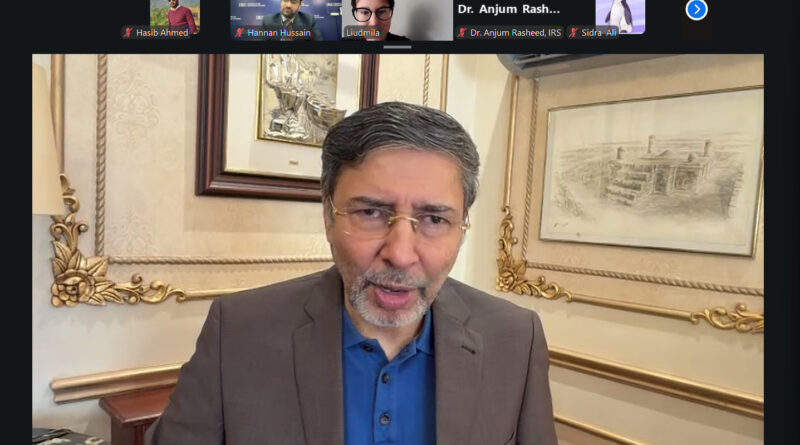
In his concluding remarks, Ambassador Jauhar Saleem expressed optimism about the future of Pakistan–Kazakhstan relations and reaffirmed the IRS’s commitment to promoting regional understanding through its Central Asia Program, led by Mr. Hamzah Rifaat. He also welcomed Azerbaijan’s integration into the broader Central Asian development framework and reiterated the Institute’s guiding principle, “Know thy neighbours,” emphasizing that sustained dialogue and informed engagement with Pakistan’s neighbourss are essential for enduring friendship and cooperation.

Parliamentary Caucus on Child Rights Holds Coordination Meeting with Provincial and Regional Coordinators

0

Islamabad: (TNM) The Parliamentary Caucus on Child Rights (PCCR), under the convenership of its Convenor, Dr. Nikhat Shakeel Khan, convened an important coordination meeting bringing together all Provincial and Regional Coordinators to deliberate on pressing child rights issues across Pakistan. The meeting served as a platform for experience-sharing, policy alignment, and strengthening federal–provincial coordination to advance the child rights agenda.

Convenor of the Parliamentary Caucus on Child Rights, Dr. Nikhat Shakeel Khan, Parliamentary Secretary for Science & Technology, underlined the importance of introducing “Good Touch, Bad Touch” education in provincial curricula, strengthening population control awareness campaigns in collaboration with the Ministry of Health, and addressing stunted growth among children. She further emphasized the need for reliable data, particularly from the Health Services Academy and National Institutes of Health (NIH), to inform evidence-based policymaking.

Coordinator for Islamabad, Ms. Asia Naz Tanoli, MNA, emphasized the urgent need for installing school safety cameras as a preventive measure to address harassment and ensure safer learning environments for children.

Provincial Coordinator for Sindh, Dr. Shazia Sobia Aslam Soomro, MNA, highlighted the critical importance of systematic data collection at both federal and provincial levels regarding children who are victims of abuse. She shared that in Karachi, child protection units exist in every district, and stressed the need to launch a nationwide campaign to empower children to report abuse, as fear and lack of confidence often silence victims.

Regional Coordinator for AJK, Ms. Kiran Imran Dar, MNA raised concerns about the consumption of fizzy drinks among children, underscoring the need for preventive measures to safeguard child health.

Parliamentary Secretary for Federal Education & Professional Training,
Ms. Farah Akbar Naz, MNA, referred to outcomes of an inter-provincial education ministers’ coordination meeting, noting that the number of Out-of-School Children (OOSC) is likely far higher than the previously cited figure of 26 million, warranting urgent reassessment and action.

Coordinator for Islamabad & GB, Syed Ali Qasim Gillani, MNA, pointed out that provinces have yet to make significant progress on population control and called for better alignment with subject-specific development partners to achieve measurable impact. He informed participants that Mr. Sikandar Ch., ED PEMRA, would brief the Caucus in an upcoming session. He further stressed that any crime related to child rights should prompt an immediate and unified response from PCCR, and advocated for legislation to ensure summary trials for crimes against children, with cases decided within three months.

Provincial Coordinator for Punjab, Ms. Saba Sadiq, MNA, highlighted the need to bridge gaps between federal and provincial governments, noting that child-related challenges are vast and interconnected. She raised serious concerns about children being used in drug smuggling, the link between overpopulation and child vulnerability, and the exploitation of children by sexual abuse and begging gangs. She noted that such issues rarely receive coverage in prime-time television, recommending that PEMRA be engaged to ensure child rights experts are featured in mainstream media discussions.

Provincial coordinator for Balochistan, Ms. Kiran Haider, MNA, emphasized addressing child beggary as a priority and committed to engaging with the Speaker of the Balochistan Assembly to facilitate the notification of a Child Rights Caucus in Balochistan, the only province where such a caucus is yet to be formally established.

Provincial Coordinator for Punjab, Mr. Daniyal Ch, Parliamentary Secretary for Information & Broadcasting, assured the participants that he would facilitate PEMRA’s briefing in an upcoming session of the National Assembly.

Provincial Coordinator for KP, Ms. Shaista Khan, MNA, raised serious concerns about the poor nutritional standards in shelter homes, stressing the need for better coordination among organizations working on child nutrition.

The meeting concluded with a shared commitment to enhance coordination, strengthen legislative responses, and ensure that child rights issues receive sustained attention at federal, provincial, and public discourse levels.

Women’s Parliamentary Caucus Launches Annual Report 2024–2025

0

Islamabad: (TNM) The Women’s Parliamentary Caucus (WPC) of the National Assembly, under the convenorship of Syeda Shahida Rehmani, MNA, and with the support of its development partner UN Women, launched its Annual Report 2024–25 at the Parliament House, Islamabad. The launch ceremony was moderated by Special Secretary National Assembly, Syed Shamoon Hashmi.

The ceremony was attended by Members of the National Assembly, Honourable Senators, representatives of development partners, civil society organizations, and other key stakeholders, reaffirming a collective commitment to the promotion of women’s rights, gender-responsive budgeting, and the strengthening of Provincial and Legislative Chapters of the Women’s Parliamentary Caucus.

The Annual Report 2024–25 highlights the major achievements, initiatives, and challenges addressed by the Women’s Parliamentary Caucus during the year. In her keynote address, Ms. Syeda Shahida Rehmani, MNA, acknowledged the contributions of WPC members in advancing gender-responsive legislation, strengthening parliamentary oversight on gender issues, and expanding the outreach of the Caucus across party lines. She reaffirmed the WPC’s commitment to ensuring that gender-sensitive legislation remains a central component of the parliamentary agenda. Among the notable achievements highlighted was the convening of Pakistan’s first Commonwealth Women Parliamentarians (CWP) Workshop on Gender-Sensitive Legislation after a gap of four years, with participation from international parliamentarians.

The report presentation highlighted several landmark initiatives, including the establishment and strengthening of Provincial and Legislative Chapters of the WPC in all four provincial and legislative assemblies, achieved for the first time in Pakistan’s history. Other key initiatives included the National Women’s Convention 2025 under the theme “A Unified Vision for Empowerment”, roundtable conferences on gender-responsive budgeting, and the conference titled “Poverty Has a Woman’s Face: Gender-Sensitive Legislation to Advance Gender Equality and End Poverty” held during the 18th Speakers’ Conference. The WPC also advanced gender justice through the observance of the 16 Days of Activism against Gender-Based Violence and high-level consultations on political inclusion titled “Raising Her Voice in Political Parties.”

During the open-floor session, Ms. Shaista Pervaiz Malik, MNA, emphasized enhanced legislative scrutiny of harassment laws and called for swift justice for victims of sexual violence. Senator Ms. Rubina Qaimkhani proposed the formation of parliamentary committees to comprehensively review harassment legislation and address existing gaps. Ms. Tahira Aurangzeb, MNA, underscored the importance of a non-partisan approach to gender equality and highlighted the role of parents in fostering respect and equality from an early age. Ms. Munaza Hassan stressed improved coordination among national, provincial, and legislative assemblies to ensure cohesion among all WPC chapters.

Ms. Samar Haroon Bilour, MNA, highlighted the impact of terrorism and security challenges on women, particularly those who have lost male family members, and emphasized the inclusion of women lawmakers in economic and security-related decision-making. She also called for increasing women’s job quotas in Khyber Pakhtunkhwa and other provinces. Senator Ms. Rubina Khalid advocated internship opportunities for deserving law and social science students within parliamentary and legislative bodies and emphasized adopting international best practices to curb cybercrime, along with increased Senate representation in the WPC Working Council. Ms. Farrukh Khan, MNA, highlighted the importance of gender balance and mutual support between men and women for sustainable empowerment. Senator Ms. Khalida Ateeb stressed strict implementation of laws related to the protection, welfare, and rehabilitation of women.

Ms. Asma Arbab Alamgir, MNA, emphasized the need to allocate adequate funds to women parliamentarians and called for the establishment of dedicated government bodies to protect vulnerable women and children, particularly in light of rising human trafficking. Ms. Naeema Kishwer Khan, MNA, called for stronger legislation to ensure women’s protection and welfare and noted that international gender parity reports often overlook provincial data, affecting Pakistan’s rankings. Ms. Shumaila Rana, MNA, stressed legislation for the protection and rehabilitation of juvenile and women prisoners and called for structured engagement with the WPC to support their reintegration. Dr. Shazia Sobia Aslam Soomro, MNA, highlighted the need to address legislative gaps and ensure adequate representation of women at all legislative levels. Ms. Huma Chughtai, MNA, advocated an integrated regional approach to women’s issues, including the establishment of a South Asian regional secretariat and collective action to ensure women’s access to due process of law.

Pakistan and Rwanda Strengthen Ties in Education, AI, and Skills Development

0

ISLAMABAD –(TNM) In a move to bolster bilateral relations, the High Commissioner of Rwanda to Pakistan, Ambassador Haririmana Fatou, paid a courtesy call on the Minister of State for Federal Education and Professional Training, Ms. Wajiha Qamar, today.

The high-level meeting focused on a broad spectrum of collaborative efforts, with both representatives emphasizing the need to bridge the gap between education and modern industry requirements. Central to the discussions was the shared commitment to strengthening cooperation in high-growth sectors, including Information Technology (IT), Artificial Intelligence (AI), and skills development.

Minister Wajiha Qamar highlighted Pakistan’s ongoing initiatives in vocational training, noting that a partnership with Rwanda could lead to significant breakthroughs in teacher training and the health sector, particularly in the field of nursing.

A major highlight of the exchange was the mutual dedication to girls’ education. Both leaders reaffirmed their resolve to treat female education as a foundational pillar for inclusive and sustainable development. They agreed that empowering young women through specialized training and academic opportunities is essential for the economic stability of both nations.

Ethiopia, Pakistan Forge Strategic Cooperation for Driving Innovation & Growth

0

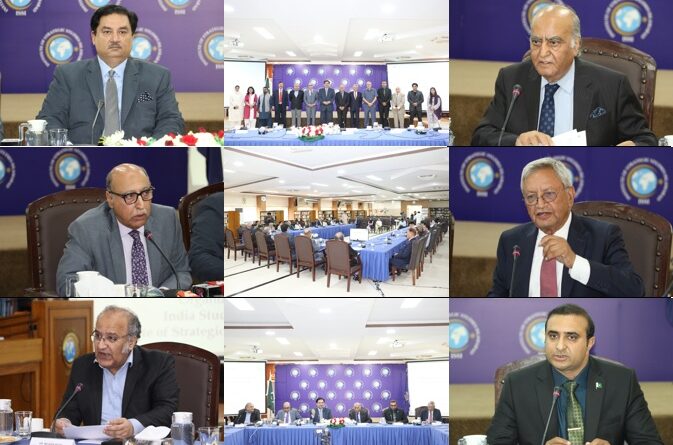
ISLAMABAD:(TNM) The premier think tanks of the Federal Democratic Republic of Ethiopia (FDRE) and the Islamic Republic of Pakistan on Thursday signed a Memorandum of understanding (MoU) to institutionalize intellectual and policy cooperation for driving innovation and growth in both nations.
The MoU was virtually signed by H.E. Jafar Bedru Geletu, Executive Director of the Institution Foreign Affairs (IFA) Ethiopia, and H.E. Ambassador Khalid Mahmood, Chairman Board of Governors of the Institute of Strategic Studies Islamabad (ISSI).
H.E. Dr. Oumer Hussein Oba, Ambassador designate of Ethiopia to Pakistan witnessed the ceremony here at the ISSI, Islamabad, while his counterpart Ambassador Atif Sharif Mian was present at the IFA Headquarters in Addis Ababa.
The MoU will allow the two institutions to establish a framework for cooperation in the fields of diplomatic training, professional development, research and analysis through delegations’ exchange, conferences, co-publications and joint researches.
Felicitating both sides on achieving a milestone in the bilateral relations, the Executive Director IFA said Ethiopia and Pakistan have walked a long road together, guided by mutual respect, South-South solidarity, and a shared hope for a more stable, prosperous world.
“By combining IFA’s deep knowledge of the Horn of Africa and the Red Sea with ISSI’s regional research strengths, we are building a platform that can do real work: align our views on maritime security and trade routes, craft joint approaches to stability and counter-terrorism, and deliver policy recommendations that reflect today’s realities,” H.E. Jafar Bedru remarked.
Ethiopia is a gateway to Africa, said the ISSI Chairman while emphasizing on establishing robust academic linkages that are crucial to foster joint research, delegations exchange and policy dialogues for benefit of both the nations.

H.E. Ambassador Dr. Oumer Hussein highlighted the positive trajectory of relations between the two countries and called for the two think tanks to actively collaborate to utilize each other’s potentials.
He stressed the importance of reinforcing all existing pillars of the relationship particularly in political and economic spheres and urged both the institutions to work closely within this framework that is imperative for strengthening bilateral relations.

H.E. Atif Sharif noted growth in Pakistan-Ethiopia relations, highlighting opening of the Ethiopian Embassy Islamabad, start of Ethiopian Airlines operations in Karachi, delegations exchange in various sectors and the recent Pakistan Single Country Exhibition that held in Addis Ababa in October, 2025.

ISSI Delegation Undertakes Study Visit to National Radio Telecommunication Corporation (NRTC)

0

Islamabad, 13 January 2026 — The Institute of Strategic Studies Islamabad (ISSI) undertook an official study visit to the National Radio Telecommunication Corporation (NRTC) on January 13 2026. Led by Ambassador Khalid Mahmood, Chairman, Board of Governors (BoG), ISSI, the delegation sought to gain firsthand insights into Pakistan’s indigenous radio and telecommunication capabilities, with a focus on innovation, self-reliance, and their strategic relevance to national security.

In his remarks, Ambassador Khalid Mahmood lauded NRTC’s sustained efforts in advancing indigenous technological capabilities and acknowledged its pivotal role in reinforcing Pakistan’s defence and security architecture through innovation and technological excellence. He further underscored that secure, resilient, and indigenous communication systems constitute a vital pillar of national security, enabling effective command, control, and informed strategic decision-making.

Brigadier Azmat Shabbir, Managing Director, NRTC, provided a comprehensive overview of the organization’s mandate, core functions, and ongoing projects. He highlighted NRTC’s contributions to both defence and civilian communication infrastructure, while also outlining emerging technological trends, challenges facing the telecom sector, and future directions for innovation.

The visit concluded with the exchange of mementos, reflecting mutual appreciation and a shared commitment to continued engagement in support of Pakistan’s strategic and technological advancement.

Google search engine
0FansLike
0FollowersFollow
0SubscribersSubscribe

Recent Posts