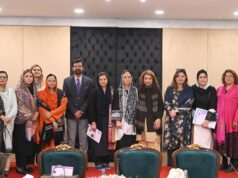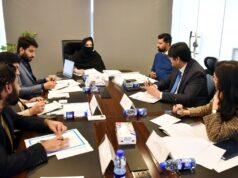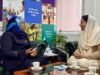

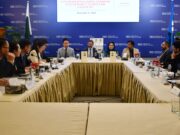




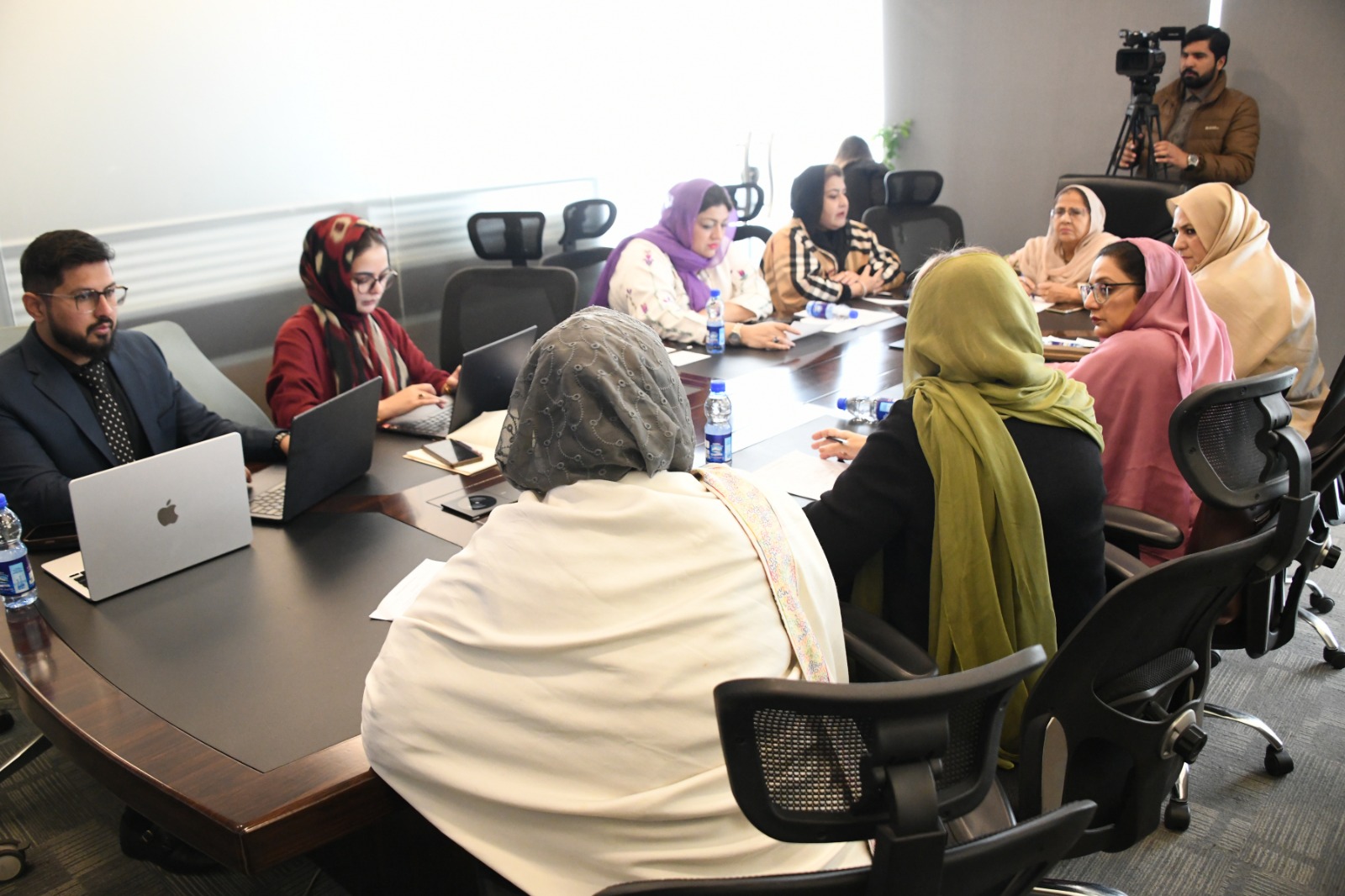
Islamabad: (TNM) The Parliamentary Caucus on Child Rights (PCCR), under the convenership of its Convenor, Dr. Nikhat Shakeel Khan, convened an important coordination meeting bringing together all Provincial and Regional Coordinators to deliberate on pressing child rights issues across Pakistan. The meeting served as a platform for experience-sharing, policy alignment, and strengthening federal–provincial coordination to advance the child rights agenda.
Convenor of the Parliamentary Caucus on Child Rights, Dr. Nikhat Shakeel Khan, Parliamentary Secretary for Science & Technology, underlined the importance of introducing “Good Touch, Bad Touch” education in provincial curricula, strengthening population control awareness campaigns in collaboration with the Ministry of Health, and addressing stunted growth among children. She further emphasized the need for reliable data, particularly from the Health Services Academy and National Institutes of Health (NIH), to inform evidence-based policymaking.
Coordinator for Islamabad, Ms. Asia Naz Tanoli, MNA, emphasized the urgent need for installing school safety cameras as a preventive measure to address harassment and ensure safer learning environments for children.
Provincial Coordinator for Sindh, Dr. Shazia Sobia Aslam Soomro, MNA, highlighted the critical importance of systematic data collection at both federal and provincial levels regarding children who are victims of abuse. She shared that in Karachi, child protection units exist in every district, and stressed the need to launch a nationwide campaign to empower children to report abuse, as fear and lack of confidence often silence victims.
Regional Coordinator for AJK, Ms. Kiran Imran Dar, MNA raised concerns about the consumption of fizzy drinks among children, underscoring the need for preventive measures to safeguard child health.
Parliamentary Secretary for Federal Education & Professional Training,
Ms. Farah Akbar Naz, MNA, referred to outcomes of an inter-provincial education ministers’ coordination meeting, noting that the number of Out-of-School Children (OOSC) is likely far higher than the previously cited figure of 26 million, warranting urgent reassessment and action.
Coordinator for Islamabad & GB, Syed Ali Qasim Gillani, MNA, pointed out that provinces have yet to make significant progress on population control and called for better alignment with subject-specific development partners to achieve measurable impact. He informed participants that Mr. Sikandar Ch., ED PEMRA, would brief the Caucus in an upcoming session. He further stressed that any crime related to child rights should prompt an immediate and unified response from PCCR, and advocated for legislation to ensure summary trials for crimes against children, with cases decided within three months.
Provincial Coordinator for Punjab, Ms. Saba Sadiq, MNA, highlighted the need to bridge gaps between federal and provincial governments, noting that child-related challenges are vast and interconnected. She raised serious concerns about children being used in drug smuggling, the link between overpopulation and child vulnerability, and the exploitation of children by sexual abuse and begging gangs. She noted that such issues rarely receive coverage in prime-time television, recommending that PEMRA be engaged to ensure child rights experts are featured in mainstream media discussions.
Provincial coordinator for Balochistan, Ms. Kiran Haider, MNA, emphasized addressing child beggary as a priority and committed to engaging with the Speaker of the Balochistan Assembly to facilitate the notification of a Child Rights Caucus in Balochistan, the only province where such a caucus is yet to be formally established.
Provincial Coordinator for Punjab, Mr. Daniyal Ch, Parliamentary Secretary for Information & Broadcasting, assured the participants that he would facilitate PEMRA’s briefing in an upcoming session of the National Assembly.
Provincial Coordinator for KP, Ms. Shaista Khan, MNA, raised serious concerns about the poor nutritional standards in shelter homes, stressing the need for better coordination among organizations working on child nutrition.
The meeting concluded with a shared commitment to enhance coordination, strengthen legislative responses, and ensure that child rights issues receive sustained attention at federal, provincial, and public discourse levels.